Room acoustic treatment for home spaces
Once sound is inside a room, the question changes from "how do I keep it out" to "how does it behave here". Hard, parallel surfaces make speech harder to follow and music harsh. Treatment addresses that without adding mass to the structure.
Reverberation in plain terms
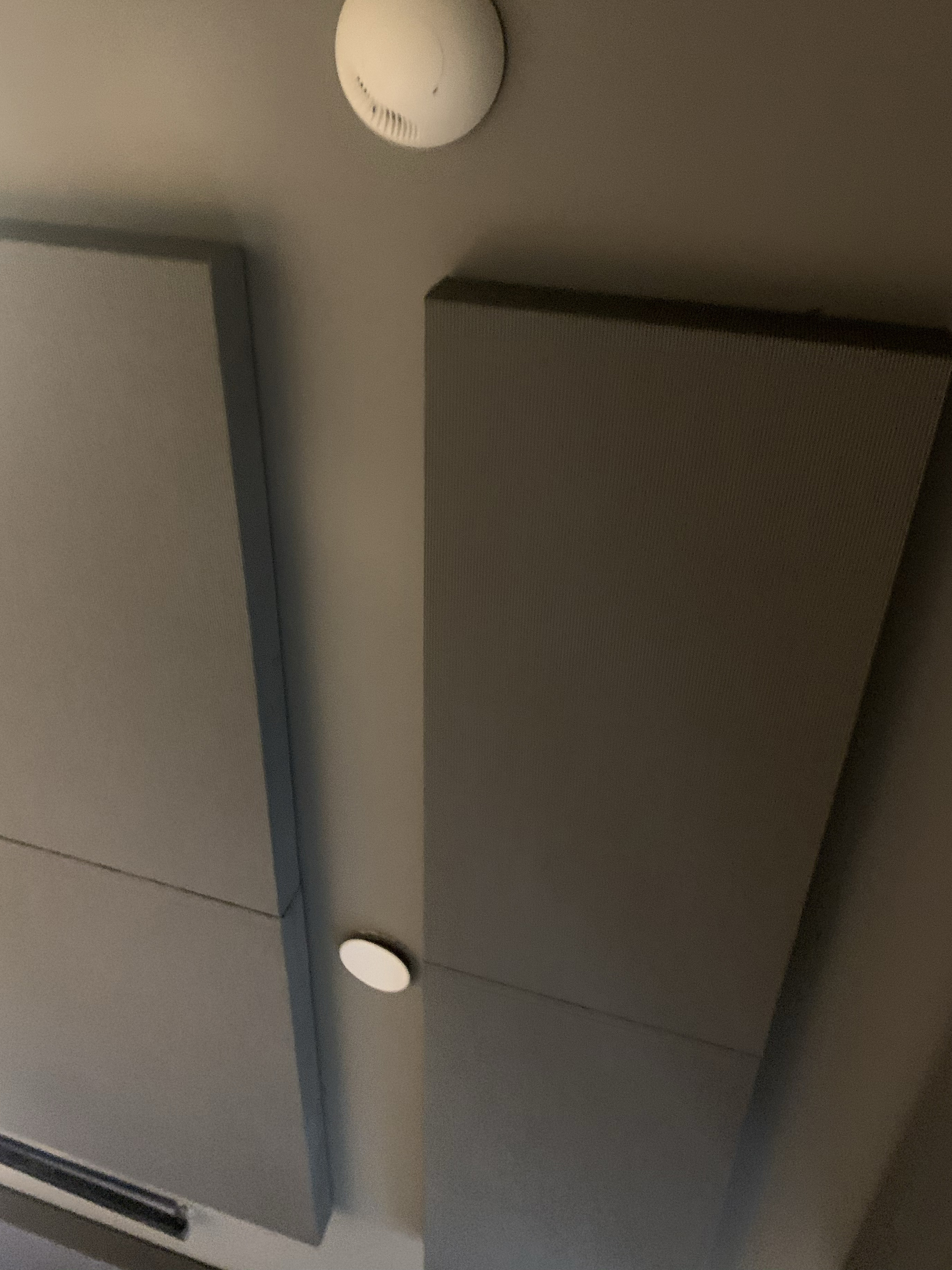
Reverberation is the tail of sound that continues after the source stops, as energy bounces between surfaces. A bare room with tiled floors and plaster walls has a long tail; the same room with a rug, curtains and a sofa has a shorter one. Excess reverberation is what makes a kitchen feel noisy and a video call sound hollow.
Absorption versus diffusion
Two tools shape a room, and they do opposite things:
- Absorption removes energy. Porous materials — mineral wool panels, thick fabric, dedicated acoustic boards — convert sound into a tiny amount of heat. This shortens the reverberation tail.
- Diffusion scatters energy. A shaped surface spreads reflections in many directions instead of sending a single strong echo back. This keeps a room lively without it being harsh.
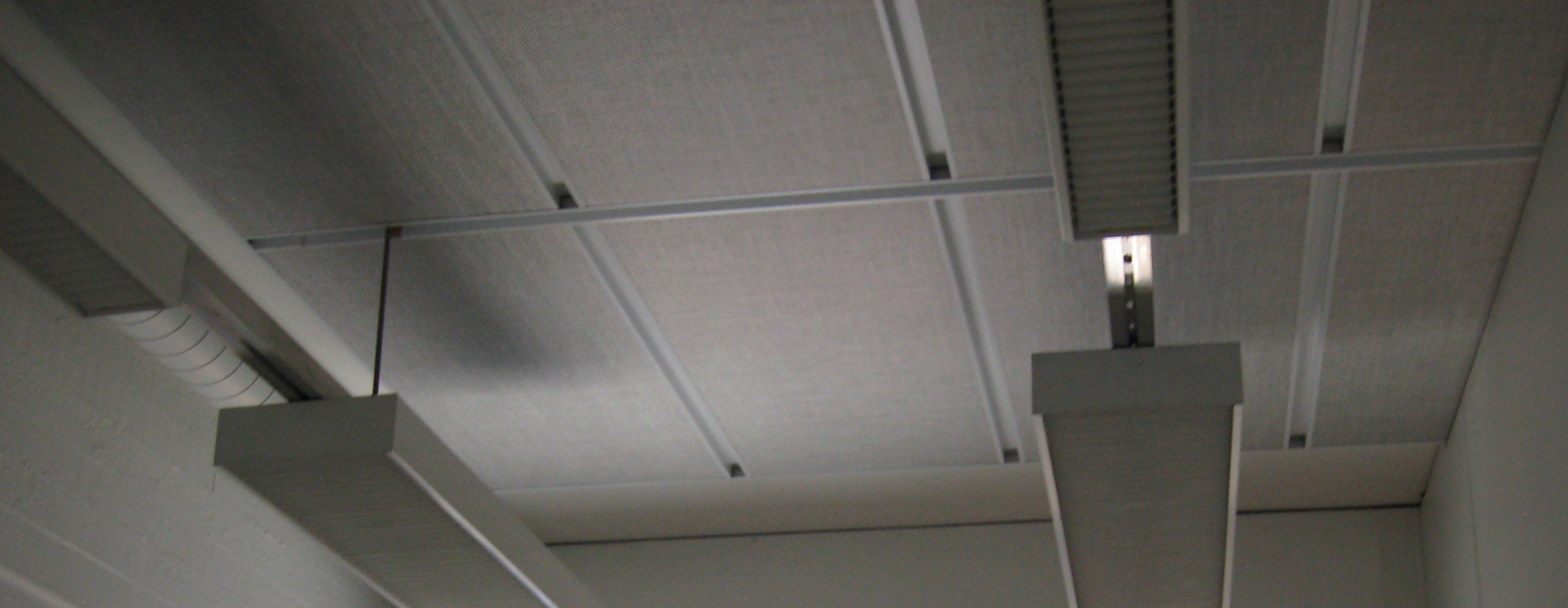
Acoustic projects tend to move through clear phases: assess the room, identify the strongest reflections, place absorption, then add diffusion where the room has gone too dead.
Where to place absorption first
The most useful early placements address the surfaces that reflect sound directly back at the listener:
- First reflection points on side walls, found with the mirror method.
- The ceiling above the seating or desk, often the largest bare surface.
- The wall behind a desk for home-office calls, which colours the microphone.
Living room vs. small studio
| Space | Typical aim |
|---|---|
| Living room | Comfortable clarity for conversation and television |
| Home office | Clean voice for calls; reduced echo near the desk |
| Small studio | Controlled reflections without an unnaturally dead room |
A note on over-treating
It is possible to add too much absorption. A room covered in foam can feel oppressive and dull, and low-frequency problems often remain because thin absorbers do little at bass frequencies. A balance of absorption and diffusion, with thicker absorbers in corners for low frequencies, usually sounds more natural than blanket coverage.