Reducing window and traffic noise at home
For homes facing busy streets, the window is usually the weakest point in the façade. Understanding why helps direct money where it counts rather than at the most visible component, the frame.
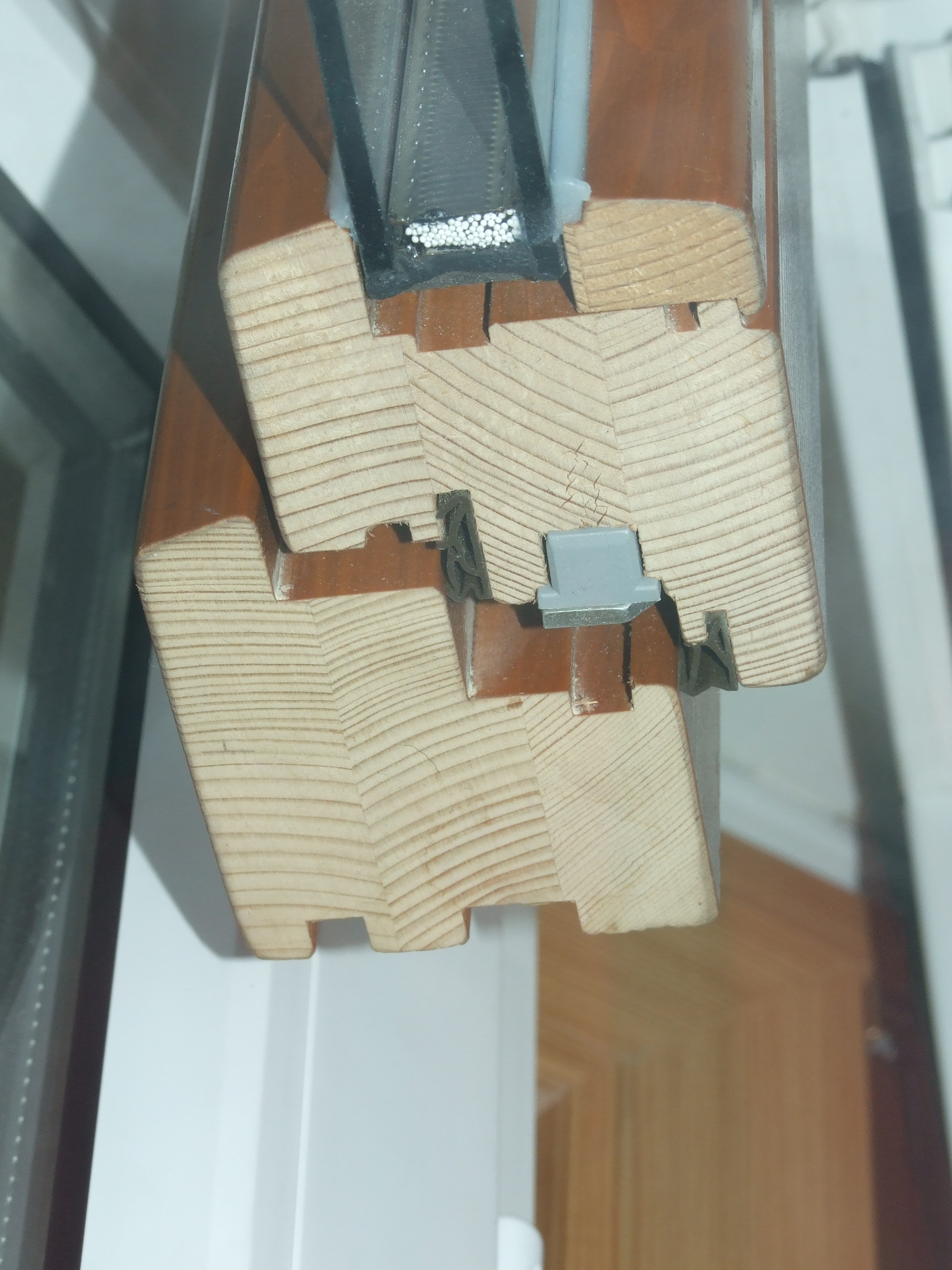
The glass does most of the work
A window's ability to keep noise out is dominated by the glazing, not the frame label. Two factors stand out:
- Asymmetry. Two panes of different thickness resonate at different frequencies, so they do not let the same tones through as easily as two identical panes.
- The cavity and any laminated layer. A wider gap and a laminated pane with an acoustic interlayer absorb more energy than a thin, symmetric double pane.
Triple glazing is sold mainly for thermal performance. It can help with noise, but a well-chosen asymmetric double glazing with a laminated pane often outperforms a symmetric triple unit for traffic noise specifically.
Seals and installation
A high-performance glazing unit fitted into a leaky frame, or a frame fitted into an unsealed reveal, leaks sound. The continuous compression seal around the opening sash and the joint between frame and wall both matter. Old windows often lose performance simply because the seals have hardened with age.
Where the noise gets in
| Element | Effect on noise |
|---|---|
| Glazing type | Largest single factor |
| Perimeter seal of the sash | High — gaps leak directly |
| Frame-to-wall joint | Moderate to high if unsealed |
| Roller-shutter box above the window | Often overlooked weak point |
| Frame material | Minor compared with the above |
The ventilation trade-off
A sealed, high-performance window only helps while it is closed. In bedrooms on noisy streets this creates a conflict between quiet and fresh air. Acoustic trickle vents and decentralised ventilation units are designed to admit air along a path that does not let sound travel straight through, which is one way German renovations address the trade-off without leaving windows ajar at night.
A sensible order of action
- Check and renew worn seals first — often the cheapest gain.
- Inspect the roller-shutter box, a frequent leak above the window.
- Consider asymmetric or laminated glazing for the worst-facing rooms.
- Plan ventilation so the window can stay closed at night.