
Walls & ceilings
Decoupled stud walls, resilient channels and dense fillings reduce sound passing between flats and rooms in German apartment buildings.
Wall soundproofing →A reference on how German households reduce noise indoors: airborne and impact sound through walls, floors and windows, the materials used for insulation, and the treatment that shapes how a room sounds.

Insulation keeps sound from passing between spaces. Acoustic treatment changes how sound behaves inside one room. Mixing the two leads to disappointment — foam on a wall will not stop a neighbour's television.
Rw
Speech, music and television travelling through a building element. Reduced with mass, decoupling and sealed gaps.
L'nT,w
Footsteps and dropped objects transmitted through floors. Reduced with resilient layers and floating floors.
T (seconds)
How long sound lingers in a room. Shortened with absorptive surfaces rather than added mass.
Decoupled stud walls, resilient channels and dense fillings reduce sound passing between flats and rooms in German apartment buildings.
Wall soundproofing →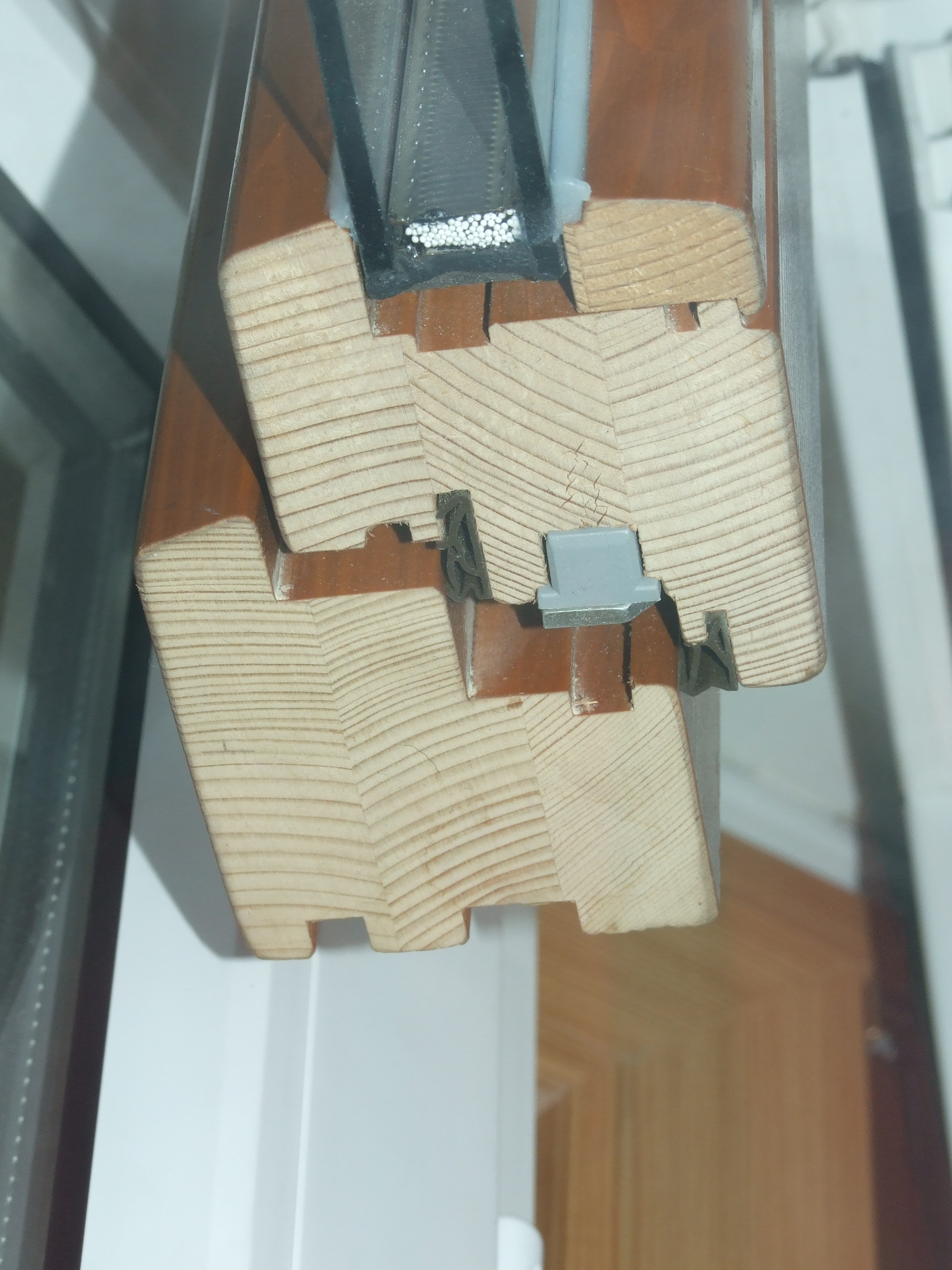
Glazing thickness, asymmetric panes and a tight seal matter more than the frame material when reducing street and traffic noise.
Window noise →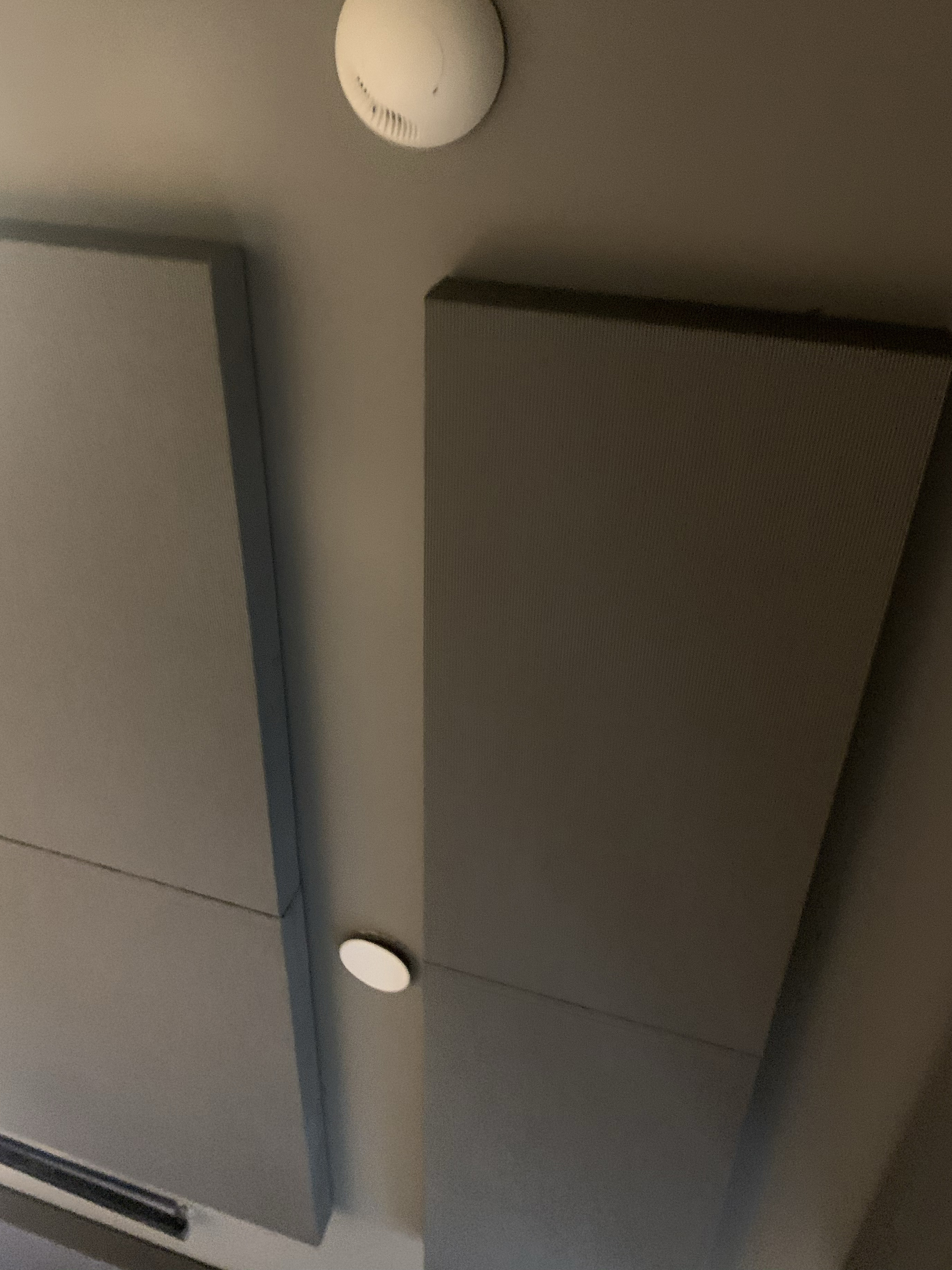
Absorbers and diffusers shorten reverberation and tame echo in living rooms, home offices and small studios.
Acoustic treatment →The same product is often sold for opposite purposes. The table separates materials that block sound from materials that absorb it.

| Material | Primary role |
|---|---|
| Mineral wool | Cavity absorption inside walls and floors |
| Gypsum / fibreboard layers | Added mass to block airborne sound |
| Resilient channels & clips | Decoupling to interrupt vibration paths |
| Impact insulation mats | Floating floors to cut footstep noise |
| Porous acoustic panels | Absorption to shorten reverberation |
Send a short note describing the space and the noise you want to address. Messages are reviewed by the editorial desk.